Introduction
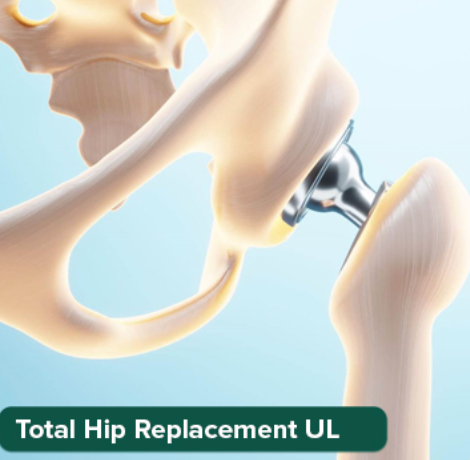
Total Hip Replacement (THR), also known as hip arthroplasty, is a surgical procedure aimed at relieving pain and improving mobility in patients suffering from severe hip joint damage. The hip joint is a crucial weight-bearing joint that can be affected by various conditions, such as osteoarthritis, rheumatoid arthritis, fractures, and avascular necrosis. THR has emerged as a highly effective and successful solution for individuals who experience chronic hip pain and reduced functionality, enabling them to regain an active and pain-free lifestyle.
This comprehensive article will delve into the causes, diagnosis, treatment options, and cost of total hip replacement in India. We will explore the significance of this surgical intervention in enhancing patients’ quality of life and the factors to consider when opting for THR in India.
Causes of Hip Joint Damage and the Need for Total Hip Replacement:
a) Osteoarthritis: Osteoarthritis is the most common cause of hip joint damage and occurs when the protective cartilage that cushions the bones wears down over time. This leads to joint pain, stiffness, and decreased range of motion, severely impacting the patient’s ability to perform daily activities.
b) Rheumatoid Arthritis: Rheumatoid arthritis is an autoimmune disorder that causes inflammation of the synovium (the lining of the joint). Over time, this inflammation can erode the cartilage and bone, leading to pain and joint deformities.
c) Hip Fractures: Fractures in the hip joint can result from falls, accidents, or osteoporosis-related bone weakening. These fractures can cause severe pain and instability, necessitating surgical intervention like total hip replacement.
d) Avascular Necrosis: Avascular necrosis occurs when the blood supply to the hip joint is disrupted, leading to bone tissue death. This can be caused by conditions like alcoholism, trauma, or long-term use of certain medications.
Diagnosing the Need for Total Hip Replacement
A thorough evaluation by an orthopaedic specialist is essential to determine the necessity of total hip replacement. The diagnostic process involves:
a) Medical History and Physical Examination: The orthopaedic surgeon will review the patient’s medical history and conduct a physical examination to assess the hip joint’s range of motion, strength, and stability. They will also inquire about the patient’s symptoms, such as pain, stiffness, and difficulty walking.
b) Imaging Studies: X-rays, magnetic resonance imaging (MRI), or computed tomography (CT) scans are used to obtain detailed images of the hip joint. These imaging studies help identify the extent of joint damage, the condition of surrounding tissues, and the suitability of the patient for total hip replacement.
c) Blood Tests: Blood tests may be performed to rule out certain inflammatory or autoimmune conditions that could be causing the hip joint damage.

 New Delhi, India